
Rethinking How We Engage on Net Zero
The UK’s clean energy transition may now depend less on ambitious Net Zero targets and more on how effectively it can resonate with communities. Although Net Zero remains at the heart of the Government’s policy goals, research suggests that public confidence in it may be starting to show signs of strain. This shift has coincided with a rise in anti–Net Zero rhetoric among some of the UK’s major political parties, as well as private sector organisations.
This shift should not be mistaken for a rejection of decarbonisation. Support for renewable energy remains strong, but generic, high-level Net Zero messaging is no longer consistently cutting through. This distinction matters. As we look toward the future of renewable energy development, the UK’s clean energy transition may hinge less on ambitious climate targets and much more on how substantively it can connect with communities; effective and meaningful engagement is going to become a lynchpin for continued renewable development success.

The Local Exception to Net Zero Fatigue
Nowhere is the disparity in Net Zero messaging more apparent than in energy projects of different scales. While Net Zero support may be starting to falter, support for small-scale renewable energy initiatives, such as rooftop solar schemes have skyrocketed in recent years.
These kinds of schemes are often community driven in the first instance; they go on top of people’s homes or business, or they power the schools they send their children to. They are often projects clearly embedded in place, such that their purpose, impacts and benefits are easy to understand. To local communities, they feel tangible and fair, they make sense, and to this they owe their success.
When we look at large-scale infrastructure – be it solar parks or wind farms – their purpose, impacts and benefits can feel much more disconnected from their host communities. When we say that we need these projects for the UK’s Net Zero goals, those benefits are much less tangible than the immediate and visible disruption they bring. When these projects are proposed to help meet government policy, they are often perceived as top-down developments being imposed on communities, rather than being developed with them and for them.
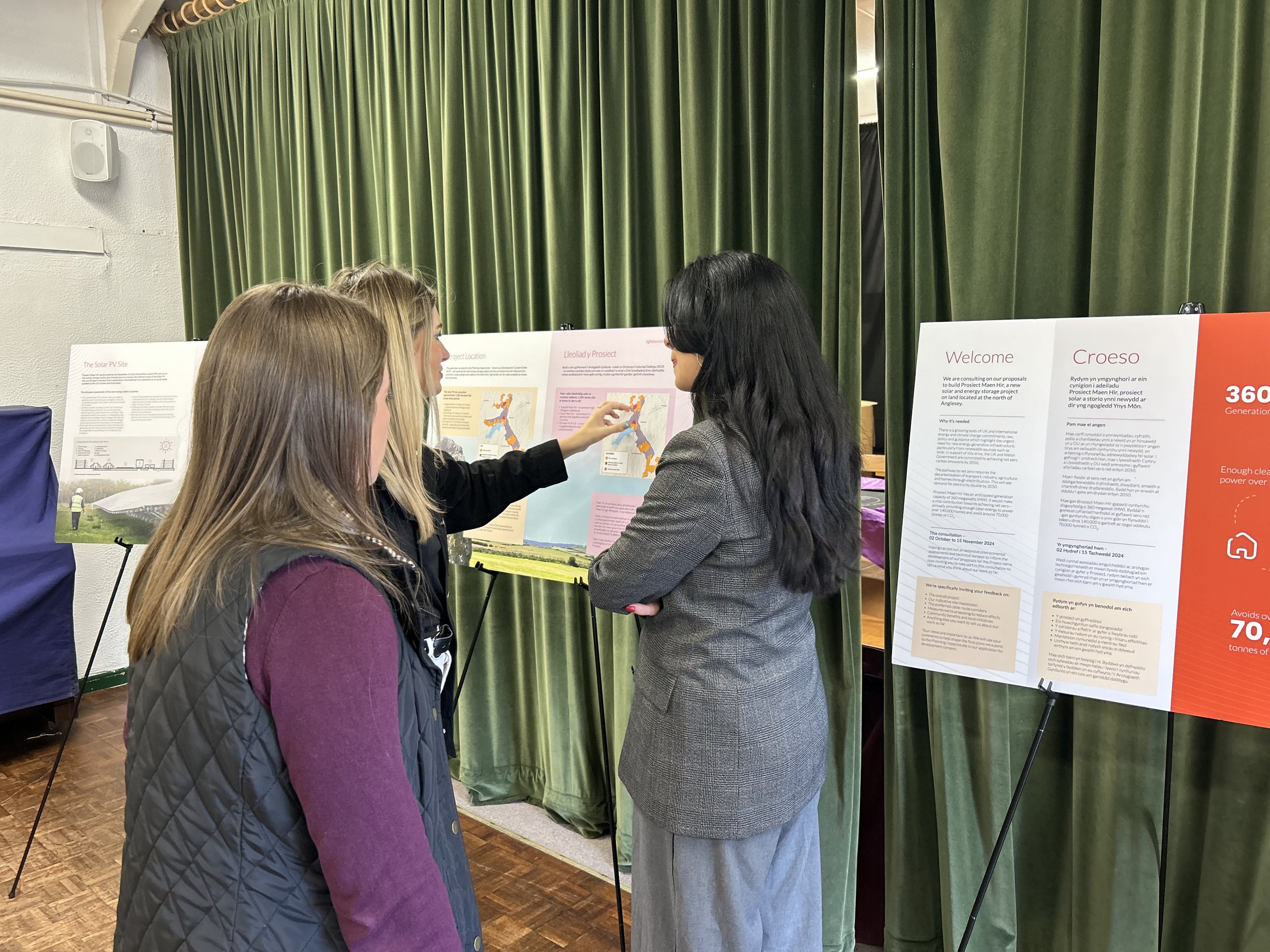
At Counter Context, we often hear consistent themes from communities in response to consultations – highlighting opportunities to start engagement earlier, make it more meaningful, clearly define benefits, and ensure local concerns are fully addressed.
All this points not to a rejection of Net Zero as a concept, but disillusionment from how it is experienced. Communities are not growing resentful of decarbonisation itself; they feel like Net Zero is leaving them behind. As we see this frustration leading to potentially significant political repercussions for the UK’s clean energy transition, it is more imperative than ever that our engagement with communities actively seeks to resolve that disconnect, rather than falling back on worn-out Net Zero narratives.
Climate Still Matters, But So Does Everything Else
A new era of geopolitical and economic uncertainty has been steadily reshaping what issues mean the most to the British public, and consequently, how they perceive major national objectives like Net Zero. Cost-of-living crises, fluctuating energy prices and visible global instability are bringing to the forefront more immediate concerns of affordability and energy security, while more abstract long-term targets can feel so distant from the everyday pressures that people are experiencing.
High-level national messaging can also miss the mark by failing to recognise the uniqueness of different communities and by failing to reflect the varying priorities of regions across the UK. To cut through, we need to speak to the realities people face day-to-day and show how long-term national objectives can still connect to what matters locally.
Making Net Zero Meaningful Again
As communication professionals, we listen to this simmering frustration with Net Zero, and we use the lessons we learn to drive our approach to community engagement. Now, more than ever, project success will depend on a precise understanding of what resonates with communities. It needs to be responsive to national priorities around affordability, energy security and decarbonisation, while remaining genuinely interested in – and receptive to – the specific concerns of a range of local communities. Effective engagement can no longer rely on broad messaging alone, and the journey of the clean energy transition must take communities along with it, not make them passive recipients of a national ambition. This will require locally grounded engagement, meaningful dialogue, and a clear connection between national goals and people’s daily lived realities.
We look ahead to the government’s upcoming guidance following the Planning Act 2008 reforms to streamline consultation, expected in spring/summer 2026, and hope that this will provide even further guidance on best practices for genuinely meaningful community engagement.
By Heather Blackburn, Account Executive in the Energy and Utilities team at Counter Context.