Two major transport events in the space of a week left me with one overriding thought: devolution may give places greater power to transform transport, but power alone won’t deliver better outcomes. It will require three things: the skills to plan and deliver change, the evidence to make the right choices, and the public trust to carry those choices through.
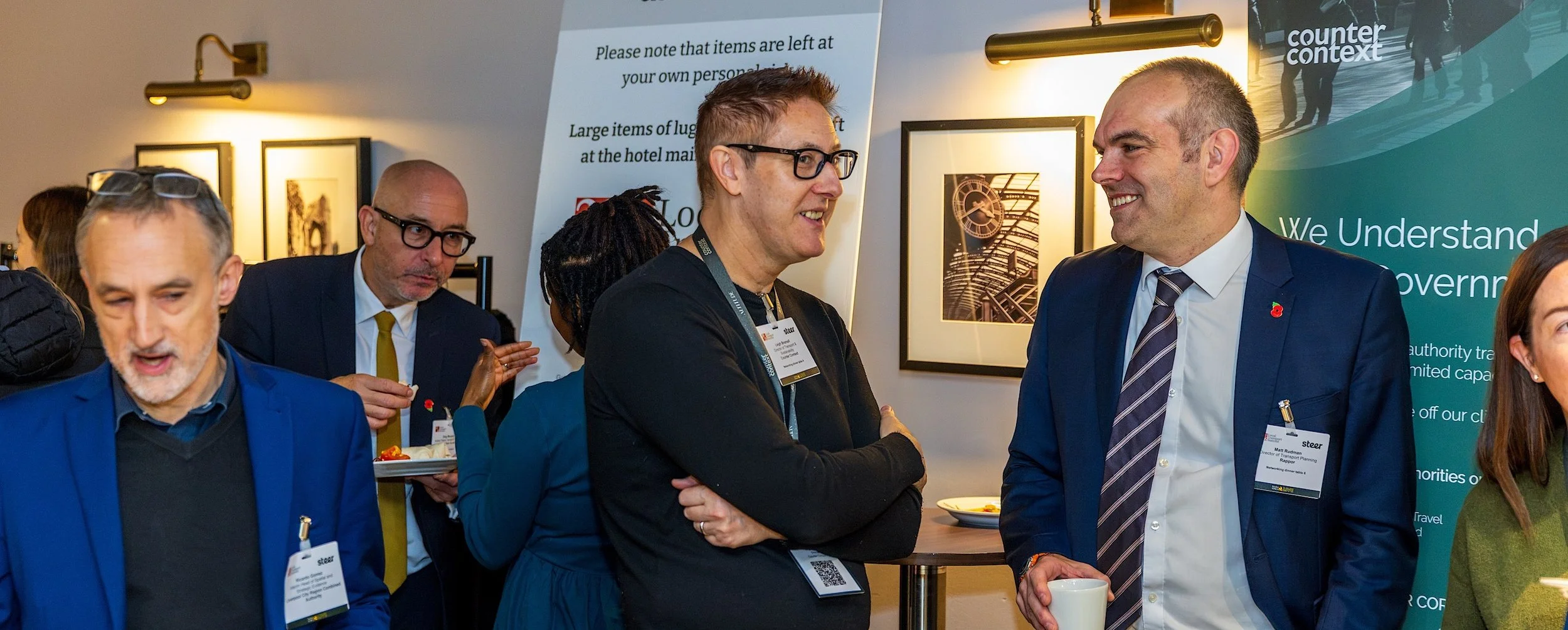
I presented at the 2026 Local Transport Summit in York as the Transport Lead at Counter Context, examining how we consult and communicate successfully in an increasingly polarised environment. Four days later I was at Transport Planning Day in London with my Comms Lead hat on for the Transport Planning Society.
Different events, but for me the messages were closely connected.
More local power means local accountability
The momentum behind English devolution was hard to miss in York. I've had a long-standing interest in this, including through my previous political leadership role in local government and the journey that ultimately led to today's South Yorkshire Mayoral Combined Authority. What's different now is the extent to which devolution is becoming intertwined with the practical delivery of transport, housing, growth and place.
That creates huge opportunity. Greater local control over funding and transport can allow places to join up decisions and create genuinely integrated transport systems. But moving power closer to places also moves responsibility closer to places. For transport, I think that creates two particularly important requirements:
The professional capability to turn ambition into deliverable schemes,
The ability of elected bodies to build and retain the trust of the communities affected by them.
Consultation is part of delivery, not something that happens alongside it
That second requirement - the ability of elected bodies to build and retain the trust of the communities affected by them - was the focus of my Local Transport Summit presentation. My argument was that transport authorities need to get much clearer about why they are proposing change, who it is intended to benefit, what problem it solves and why any of that matters to people’s everyday lives.
That often means resisting the temptation to make a scheme sound like all things to all people. Transport debates are rarely about technical evidence alone. They involve choices about who benefits, who bears the costs, what trade-offs are acceptable and what kind of places we want to create. If authorities communicate only the technical case, they leave much of the real argument unaddressed.
This is where values-based communication matters. It connects the evidence for a proposal with the outcomes people care about: access to work and opportunity, independence, health, safety, thriving places and time with the people who matter to them.
It isn’t about replacing evidence with emotion or dressing up a predetermined answer. It is about being clearer and more honest about the purpose behind a proposal, the choices involved and why the authority believes those choices are worthwhile.
Data tells us what is happening. Values help explain why it matters. Consultation and engagement tests whether the proposed response works for the people affected by it.
The bigger point is that consultation should not simply be regarded as a statutory requirement or a politically necessary hurdle towards the end of scheme development. It is part of the infrastructure of delivery. If communities don’t understand why change is being proposed, don’t believe the process is genuine, or don’t trust the institution making the decision, even technically strong schemes become much harder to deliver.
Data tells us what is happening. Values help explain why it matters. Engagement tests whether the proposed response works for the people affected by it.
The bigger point is that consultation should not simply be regarded as a statutory or obligatory hurdle towards the end of scheme development. It is part of the infrastructure of delivery. If communities don't understand why change is being proposed, don't believe the process is genuine, or don't trust the institution making the decision, even technically strong schemes become much harder to deliver.
Evidence, skills and outcomes
Four days later, Transport Planning Day approached essentially the same challenge from another direction. Professor Sir Chris Whitty's contribution brought home just how directly transport affects people's lives: through air quality, physical activity and ultimately health. For me, it reinforced an important point. The evidence matters precisely because the outcomes matter to people.
Transport isn't simply about moving people efficiently. Decisions about transport affect access to jobs and education, health, inclusion, economic growth, the way our towns and cities work and our response to climate change. But none of that happens without people capable of turning ambition and evidence into deliverable transport policy and infrastructure.
That's why the work TPS is doing to promote the profession and create pathways into transport planning matters, and why making the case to government for investment in transport-planning capability isn't a niche workforce issue. It's a delivery issue.
Power, evidence, skills and trust. That's what connected the two events for me.
Devolution creates the opportunity to make better decisions closer to the people and places affected by them. But transferring power isn't enough. We need the skills to design and deliver change. We need the evidence to know what interventions will make a difference.
And we need the communication and engagement that connects that evidence to people's lives, builds trust in decision-making and creates legitimacy for difficult choices.
Get those three things right, and devolution has a much better chance of translating political ambition into transport improvements people can actually see and feel.
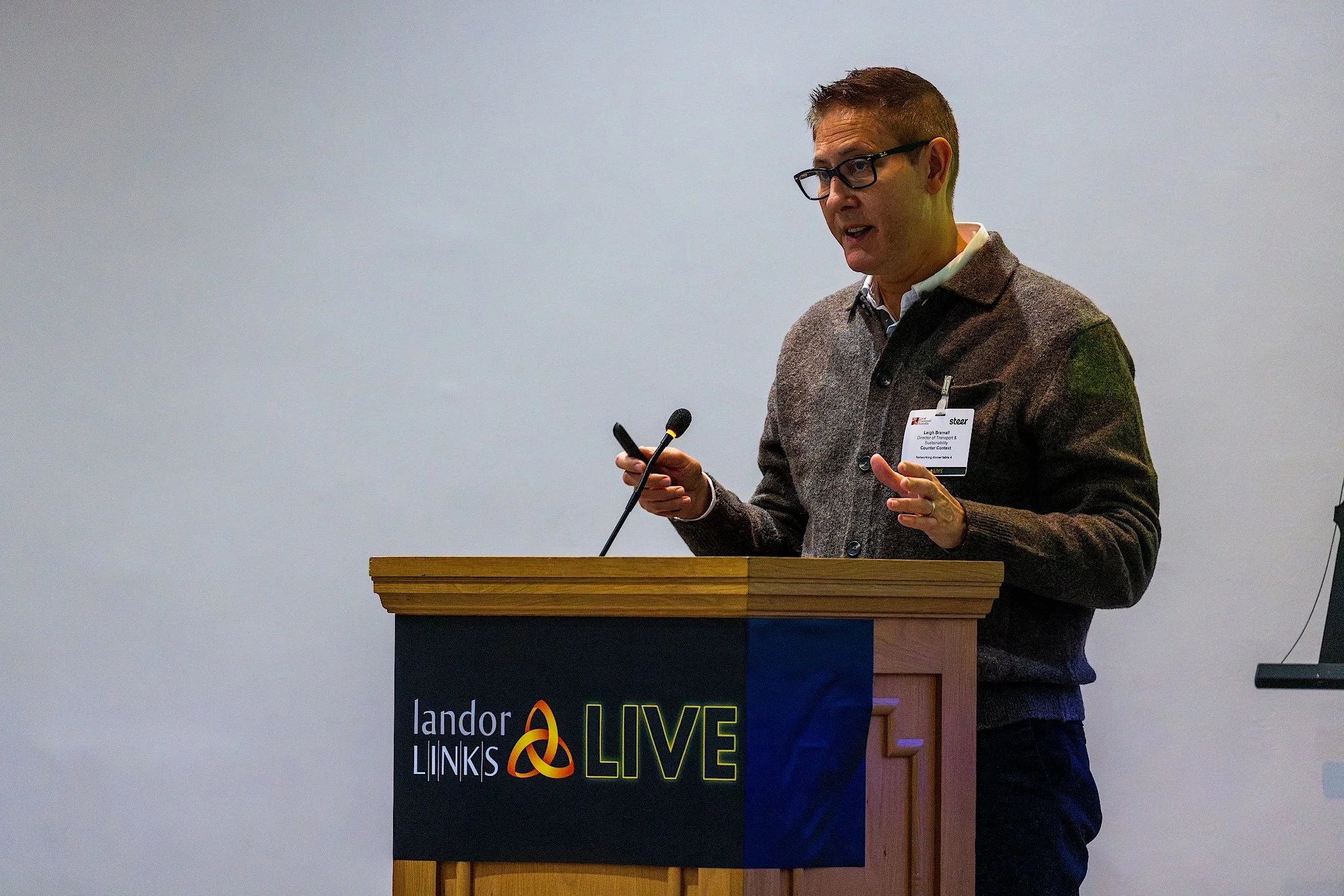
By Leigh Bramall, Director for Transport and Sustainability at Counter Context.